
If you’ve ever dug an old bottle of resin out of a drawer and wondered whether it’s still safe to pour, you’re not alone. Crafters often ask: does resin expire, can resin go bad, or does resin go bad after opening? The answer is largely the same: yes, but not in the way a carton of milk does. Over time, both epoxy and UV resin go through chemical changes that can affect how they look, mix, and cure.
The short answer is yes, resin can expire. But “expired” doesn’t always mean unusable. How long resin is good for depends on the type of resin, how it was stored, and how much time has actually passed. This guide breaks down the shelf life of resin by type, the most common signs that a bottle has gone bad, what happens if you use expired resin, and how to store your supply so it lasts as long as possible.
Does Resin Expire? Understanding the Shelf Life of Epoxy and UV Resin
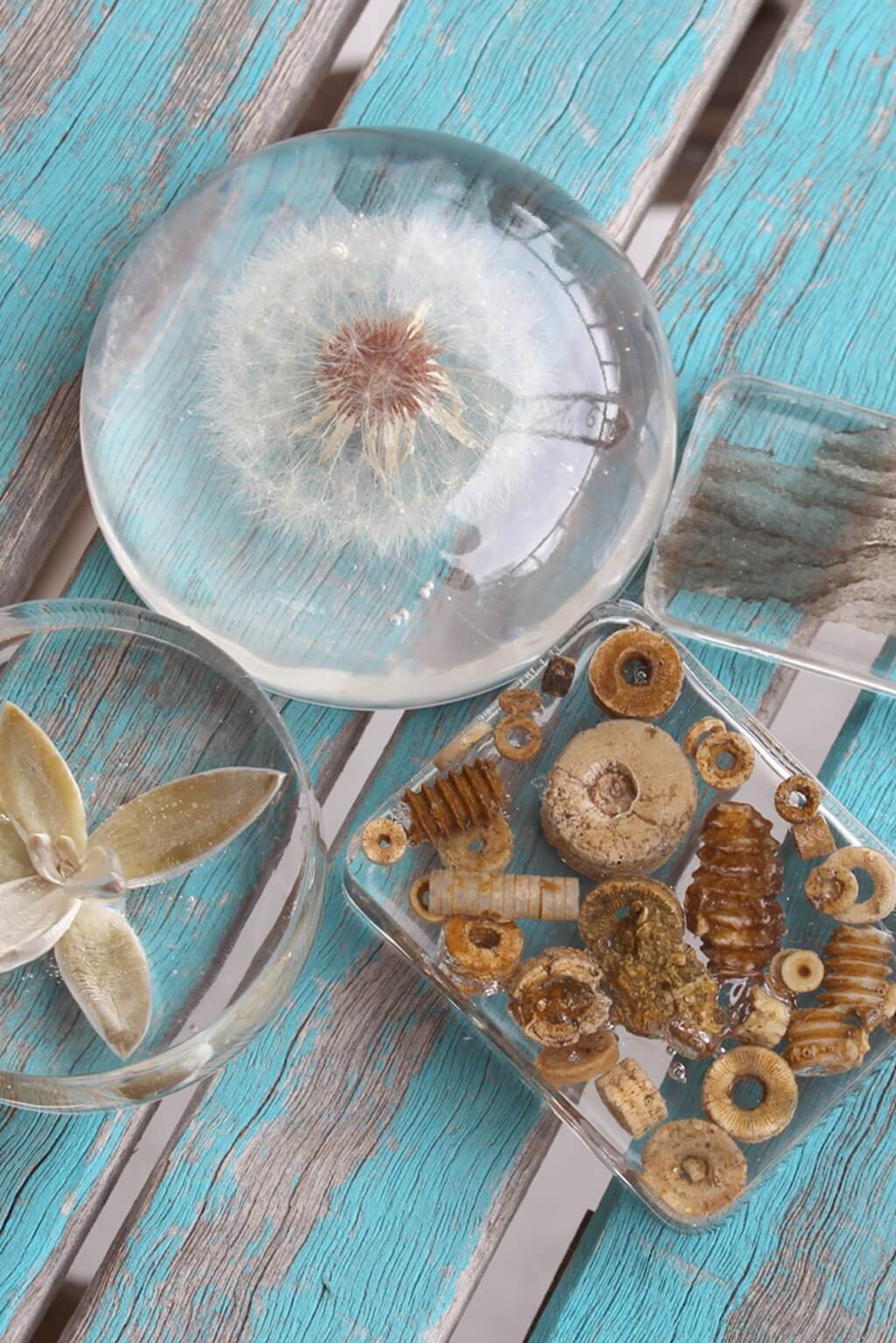
So can resin expire, really, in a meaningful way? Yes. Every type of resin has a recommended window during which it performs the way it’s supposed to. Past that window, the risk of curing problems and appearance issues goes up. The specifics differ depending on whether you’re working with epoxy or UV resin, so it helps to look at each on its own.
Does Epoxy Resin Expire?
Yes, epoxy resin has a recommended shelf life, though it’s more of a “best before” guideline than a hard cutoff. Manufacturers typically print an expiration date because they only keep quality-control samples of each batch for a set period, often around two years, not because the resin turns unsafe or unusable overnight.
For unopened bottles, most craft-grade epoxy resins are rated for roughly 12 to 24 months when stored properly. Once you break the seal, that window narrows. Opened epoxy is generally good for somewhere between two and twelve months, depending on the brand and how carefully the container is resealed after each use.
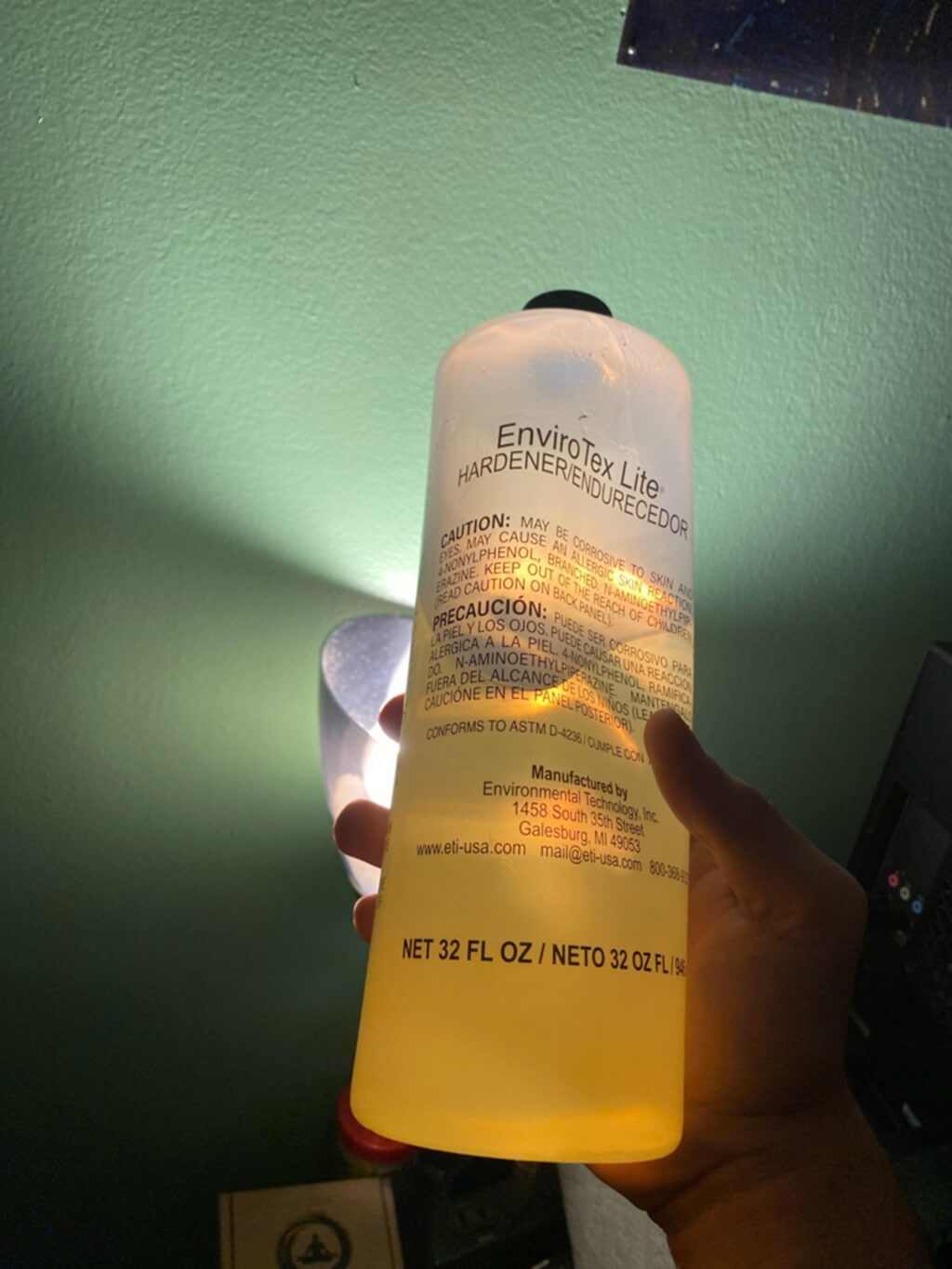
It’s also worth knowing that resin and hardener don’t always age at the same rate. The hardener tends to be more reactive to air and moisture, so it’s often the first component to show signs of aging, sometimes turning darker or developing crystals well before the resin itself changes.
Storage conditions make a real difference here. Epoxy kept in a cool, stable, dry environment can remain usable for years, while the same product left in a hot garage or humid bathroom may degrade in a fraction of that time.
Does UV Resin Expire?
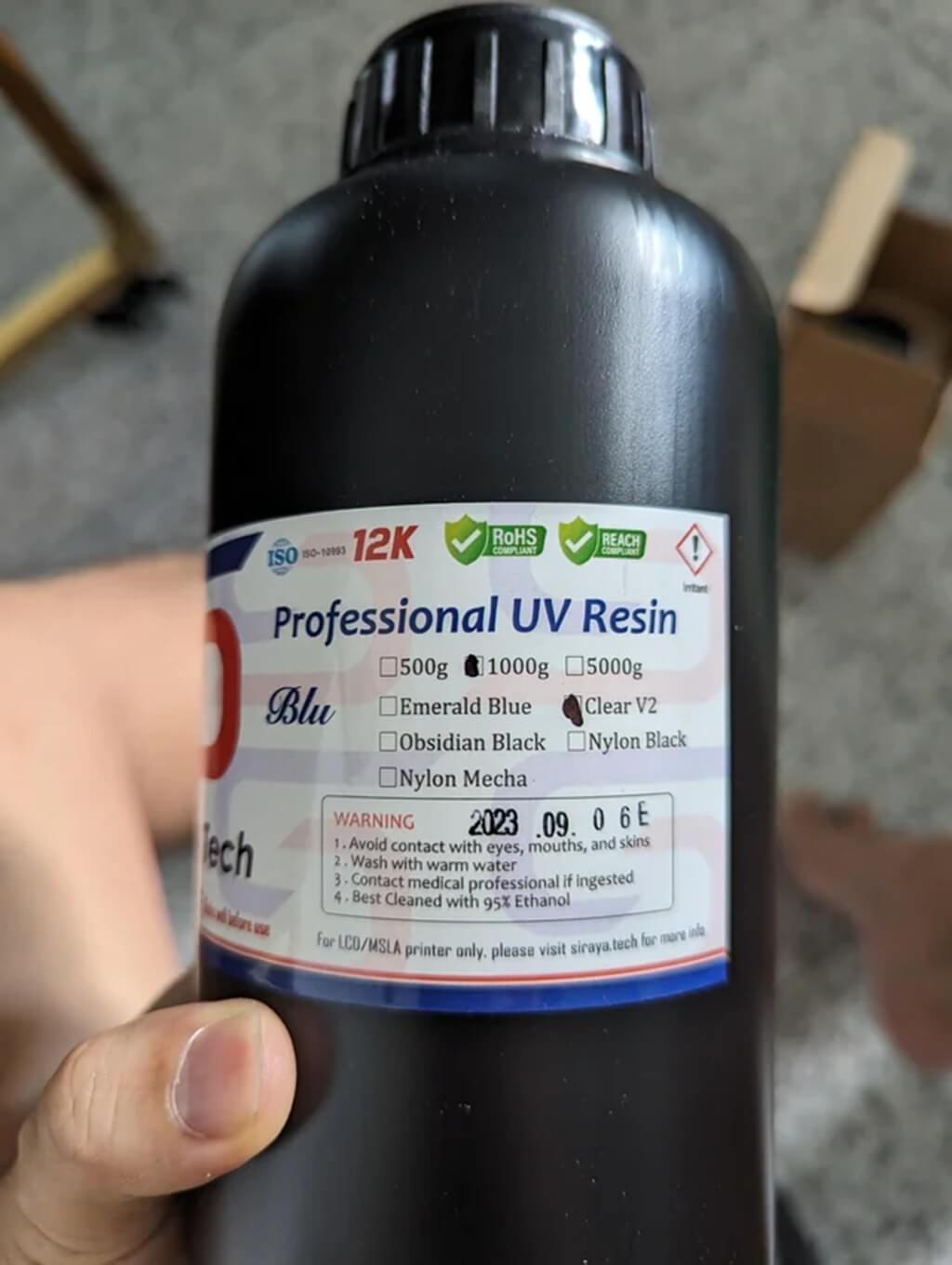
Yes, and if you’re wondering “does UV resin go bad faster than epoxy”, the answer is usually yes too. UV resin typically has a shorter shelf life than epoxy. Unopened UV resin is typically rated for somewhere in the 6 to 12 month range, with some formulas landing closer to 6 to 8 months depending on the manufacturer.
The main reason UV resin ages faster comes down to its chemistry. It’s formulated to cure the moment it’s hit with the right wavelength of light, which means everyday exposure to sunlight or even bright indoor lighting can slowly kick-start the curing process while the resin is still sitting in the bottle. This is why UV resin is far more sensitive to light exposure than standard epoxy.
Because of that sensitivity, storage recommendations for UV resin lean heavily on blocking out light entirely. Opaque or amber bottles, closed cabinets, and keeping the container away from windows all help slow this early curing process down.
How Can You Tell If Resin Has Expired?
Signs of aging resin vary a bit by type, but there’s a general pattern worth watching for. A single symptom isn’t necessarily a dealbreaker. The overall condition of the resin, texture, smell, and appearance together, tells you more than any one clue on its own.
For epoxy resin, common signs include:
- A thick or gel-like texture instead of a smooth pour
- Visible crystallization, especially in the hardener
- Permanent separation that doesn’t recombine with stirring
- Excessive yellowing beyond the normal, mild amber tint that comes with age
- Changes in the hardener, such as darkening or a strong, unfamiliar chemical odor. If you want to know how to distinguish normal curing odors from hazardous ones, check out our guide on does epoxy resin smell and how to manage workspace ventilation.
- An unusual odor overall
For UV resin, watch for:
- A noticeably thicker consistency than when it was fresh
- Cloudiness or a hazy appearance
- Yellowing
- Poor curing under UV light, even after the normal cure time
Why Does Resin Expire? Is It Always The Storage?
Understanding what actually causes resin to break down makes it much easier to judge whether a given bottle is still worth using, rather than just going off a printed date. And it’s not surprising to see the storage environment has a lot to do with resin expiration.
Why Epoxy Resin Goes Bad
A few factors drive most epoxy degradation:
- Air exposure: Once a container is opened, oxygen reacts with the resin and hardener, a process called oxidation, which is a major cause of yellowing and thickening over time.
- Moisture contamination: Humidity or condensation inside a partially used bottle can interfere with the resin’s chemistry and lead to cloudiness or curing problems later on.
- Heat: High temperatures accelerate the chemical reactions that cause epoxy to age, and can even trigger premature curing inside the container.
- Improper sealing: A cap that isn’t fully tightened lets in air and moisture continuously, which speeds up every other issue on this list.
- Temperature fluctuations: Repeated swings between hot and cold, such as storage in a garage or shed, are harder on resin than a stable temperature, even a slightly warm one.
- Natural chemical aging: Even under ideal conditions, the compounds in resin slowly shift over time. This is a normal part of its chemistry, not a sign of a defective product.
Why UV Resin Goes Bad
UV resin ages for similar reasons, with one added factor:
- Exposure to sunlight or UV light: This is the biggest one. Any regular light exposure can begin the curing reaction slowly, long before you intend to use the resin.
- Heat: Like epoxy, warm conditions speed up chemical changes and can affect viscosity.
- Air exposure after opening: Oxygen exposure once the seal is broken contributes to thickening and yellowing.
- Improper storage: Clear containers, sunny windowsills, or bright workspaces all shorten a bottle’s usable life.
- Natural aging over time: Some gradual change happens no matter how carefully you store it, since it’s simply part of how the resin is formulated.
Can You Use Expired Resin?
What Happens If You Use Expired Resin?
Using resin past its recommended shelf life doesn’t automatically ruin a project, but it does raise the odds of running into problems. Depending on how degraded the resin is, you might see:
- Sticky or tacky surfaces that never fully harden
- Longer curing times than usual
- A soft or incomplete cure
- Reduced clarity, especially noticeable in resin meant to look glass-like
- More trapped bubbles
- Brittle or weak finished pieces
- An uneven finish across the surface
How severe these issues are depends almost entirely on how far along the degradation is. Resin that’s a few weeks past its date and shows no visible changes behaves very differently from resin that’s been sitting, unsealed, in a hot space for a year.
When Can You Still Use Expired Resin?
There are situations where testing a small batch of older resin is reasonable rather than tossing it right away. This makes sense when the resin is only slightly past its expiration date, still looks and smells normal, mixes evenly with no lumps or separation, and has been stored under reasonably good conditions the whole time.
In these cases, it’s worth mixing a small test batch and letting it cure fully before committing the resin to an actual project. If it cures properly, clear, hard, and tack-free, it’s likely still fine for non-critical work. If you’re unsure, start with something low-stakes. Testing your chemistry beforehand is an essential step when learning how to make a resin lamp to avoid wasting high-end wood and molds on a failed cure.
When Should You Throw Resin Away?
Some signs point pretty clearly toward discarding a bottle rather than trying to salvage it. It’s generally best to throw resin away if it:
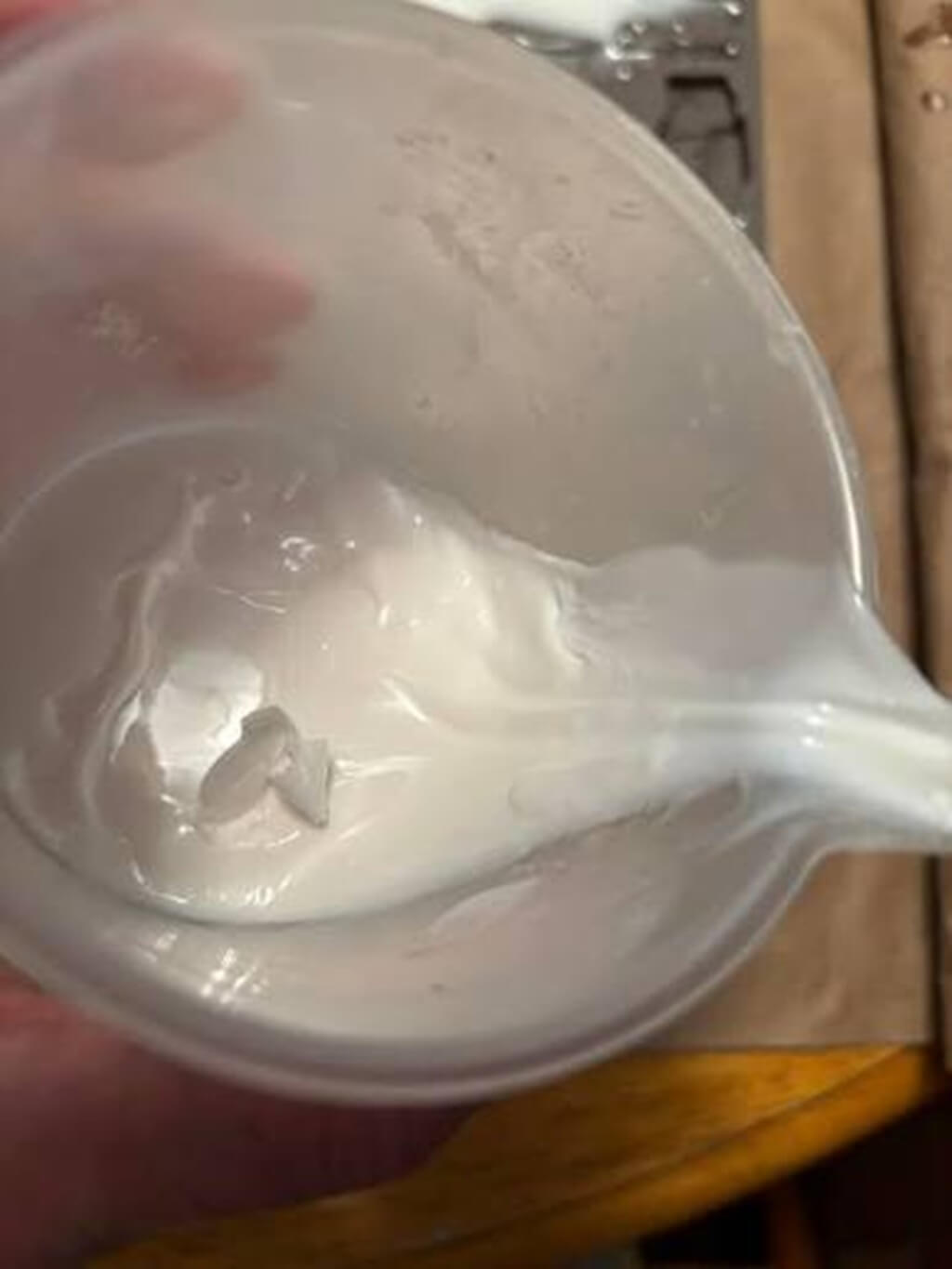
- Won’t mix properly no matter how long you stir
- Has completely gelled or hardened in the container
- Remains sticky even after a full, proper cure time
- Shows permanent separation that stirring can’t fix
- Has severe discoloration combined with other signs of degradation
- Shows any obvious contamination, such as debris, mold, or a strong chemical smell that wasn’t there before
When in doubt, a failed test batch is a clear enough answer. It’s not worth risking a finished piece on resin that’s already showing multiple warning signs.
How Long Does Resin Last Once Cured?
It’s worth separating liquid resin’s shelf life from the lifespan of a finished, cured piece, since the two work very differently. Once resin has fully cured, it doesn’t expire the same way the liquid form does. The chemical reaction that turns it from liquid to solid is essentially complete, so there’s no more “shelf life” countdown in the way there is for a bottle sitting in storage.
That means a well-made resin piece, whether it’s a coaster, a piece of jewelry, or one of our custom handmade epoxy resin lamps, can realistically last for decades with reasonable care. That said, cured resin isn’t completely immune to change. Prolonged UV exposure, scratches, heat, and moisture can gradually affect its appearance over the years, sometimes causing a slight yellow tint or a duller surface finish.
Choosing a resin with good UV resistance, and keeping finished pieces out of direct, constant sunlight, both go a long way toward keeping that clarity intact for the long haul.
How to Store Resin So It Lasts Longer
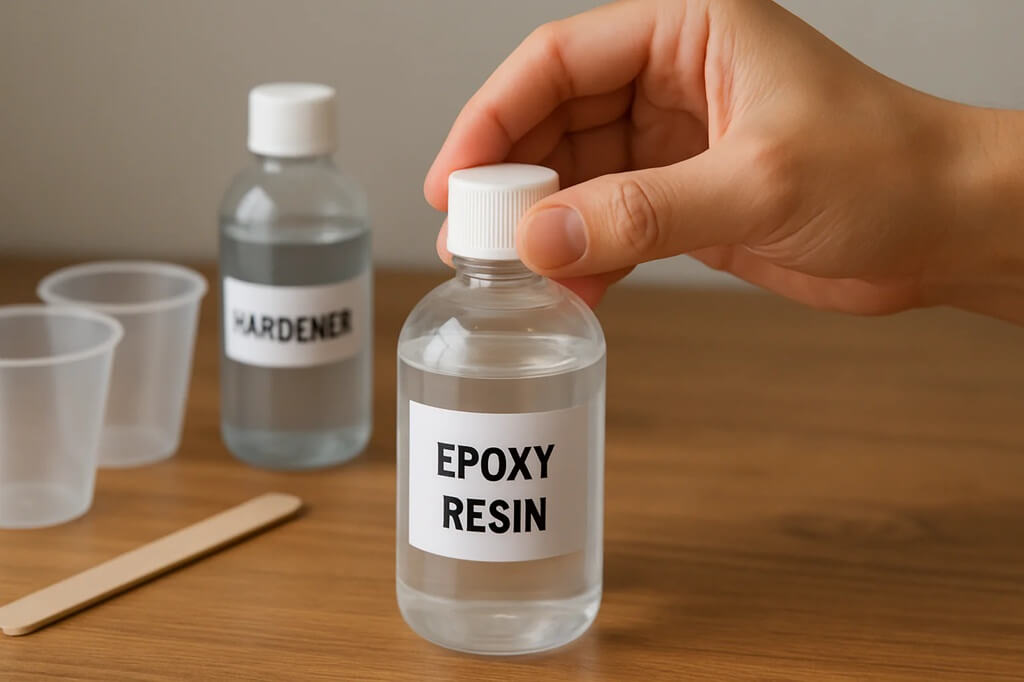
Good storage habits are the single biggest factor affecting the shelf life of resin, often more than the brand or formula you buy. A few consistent practices make a real difference:
- Keep containers tightly sealed after every use.
- Store resin in a cool, dry location, ideally somewhere with a stable temperature.
- Avoid direct sunlight, and keep UV resin especially far from any light source.
- Prevent moisture contamination by keeping bottles away from humid spaces like bathrooms or damp basements.
- Store bottles upright to reduce the risk of leaks or uneven separation.
- Avoid extreme temperatures in both directions. Garages, sheds, and attics tend to be the worst offenders.
- Label bottles with the date they were opened, so you’re never guessing how long a container has actually been in use.
- Buy only the amount you’ll realistically use within a reasonable timeframe, rather than stockpiling more than you need.
Does Resin Expire: Frequently Asked Questions
Does resin go bad, or can resin go bad if it’s never been opened?
Yes, resin can go bad even unopened, though it takes much longer than an opened bottle. Unopened epoxy typically lasts 12 to 24 months and unopened UV resin around 6 to 12 months before quality starts to decline, assuming it’s stored in a cool, dry, dark place the whole time.
Can crystallized epoxy resin be fixed?
In many cases, yes. Crystallization is often reversible by placing the sealed bottle in a warm water bath and gently stirring until the crystals dissolve back into the liquid. Avoid direct heat or microwaving, since that can damage the resin’s chemistry instead of restoring it.
Does hardener expire faster than resin?
Generally, yes. The hardener component tends to be more sensitive to air, moisture, and temperature than the resin itself, and is often the first part of a kit to show visible signs of aging, such as darkening or crystallization.
Should you refrigerate resin?
No, refrigeration isn’t recommended. Cold temperatures can cause epoxy to crystallize or thicken, making it harder to work with. Resin is best stored at a stable room temperature, generally somewhere in the 60 to 80°F range, rather than in a fridge.
Does yellow resin always mean it has gone bad?
Not necessarily. A slight amber tint is a normal part of aging, especially in the hardener, and doesn’t always affect how the resin performs once mixed and cured. Excessive or sudden yellowing paired with other issues, like thickening or odor changes, is more of a concern than mild discoloration on its own.
How long can unopened resin last past its expiration date?
It varies by brand and storage conditions, but many crafters have successfully used unopened resin that’s a few months to a year past its printed date, especially when it’s been kept sealed and stored well. Testing a small batch before committing to a full project is the safest way to check.
