
Yes, it is. Most fully cured resin is waterproof, since it hardens into a non-porous surface that water cannot pass through. But this question is not simply a single yes or no. Epoxy, UV resin, and polyester resin each cure differently, and how well a piece holds up outdoors depends just as much on sunlight, temperature, and workmanship as it does on the resin itself.
If you have ever left a resin coaster on a wet countertop or wondered whether a custom handmade resin lamp can sit on the patio through the summer, this is the question behind both of those moments. In this blog, we’ll answer these three core questions:
- Are all resins equally waterproof?
- Is resin weatherproof enough to survive outdoors?
- What actually causes waterproof resin to fail?
Let’s dive into it!
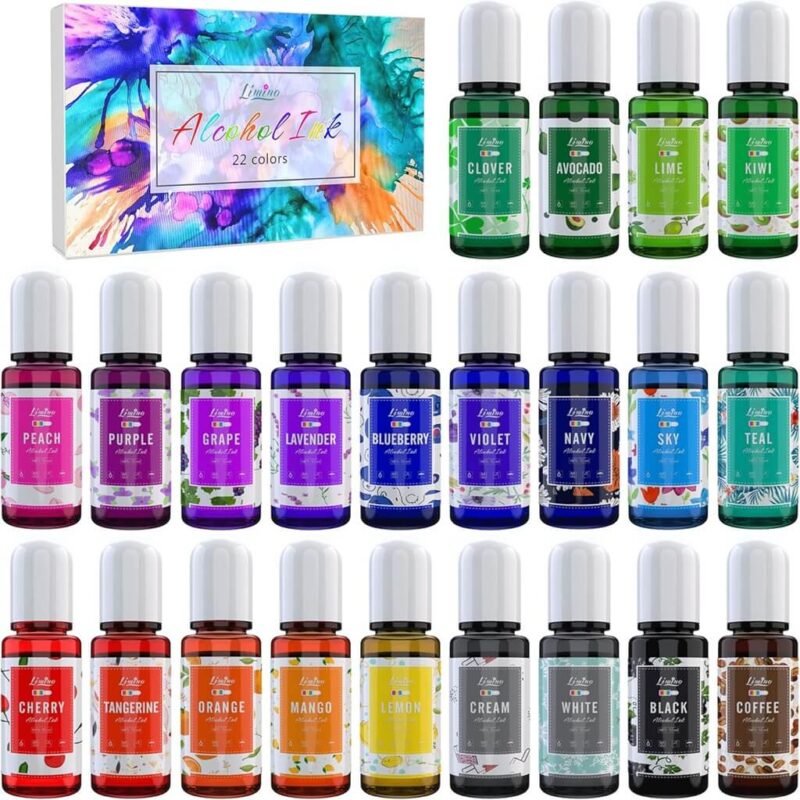
Is Resin Waterproof, Water Resistant, or Weatherproof?
These two words get used interchangeably online, but they describe different things, and the difference matters if you are choosing a resin for a piece that will sit near a sink, a garden, or a pond. Let us explain clearly about these three things:
- Waterproof means water cannot pass through the material at all under normal exposure.
- Water resistant means the material holds up against moisture for a period of time or under limited exposure, but it is not built for constant submersion.
- Weatherproof goes further still, describing how a material handles the full range of outdoor conditions, not just water, including sun, heat, cold, and humidity.
So is resin water resistant, or is it fully waterproof? Once epoxy, UV resin, or polyester resin has fully cured, the honest answer is waterproof, not merely water resistant. Curing removes the open pores or fibers that water would otherwise soak into, which is exactly why resin is used to seal wood, coat countertops, and finish boat hulls. We test this in the simplest way possible: a fully cured coaster gets a wet glass set directly on it overnight, with no coaster underneath, and a properly cured piece shows no ring, no softening, and no change the next morning.
That said, “waterproof” describes the resin itself, not a guarantee that a finished project will survive every outdoor condition forever. An illuminated diorama night light left outside for two seasons is rarely fighting water alone; it is fighting sunlight, temperature swings, and the organic wood base shifting underneath the resin shell.
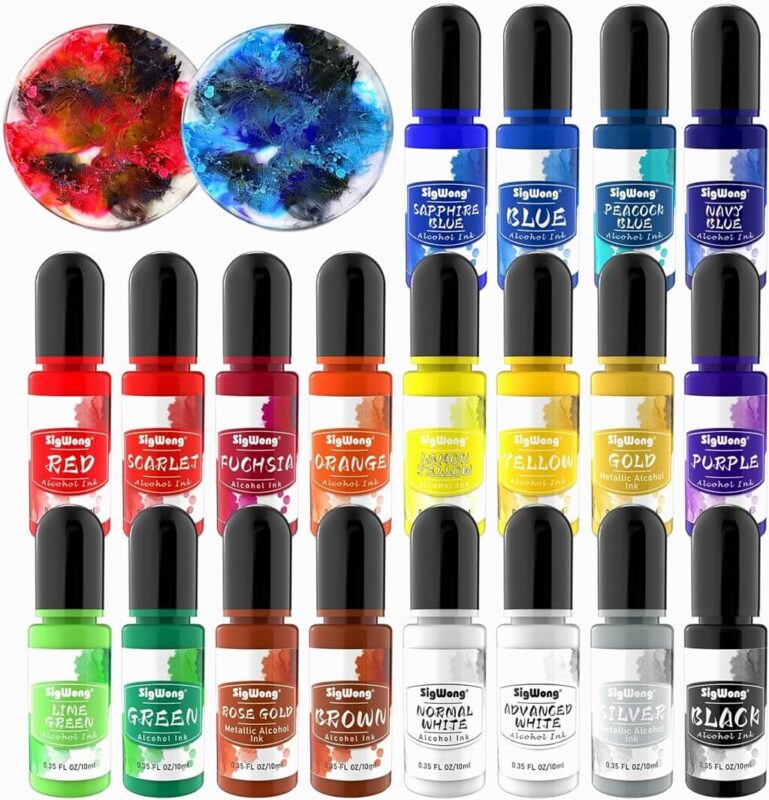
Is Every Type of Resin Waterproof?
Not equally, and not in the same way. Epoxy, UV resin, and polyester resin all cure into a waterproof surface, but they get there through different chemistry, and that changes what each one is actually good for once water and weather get involved.
| Resin Type | Waterproof Performance | Weather Resistance | Typical Cure Time | Best Applications | Main Limitations |
| Epoxy resin | Fully waterproof once cured; forms a dense, non-porous seal | Good, especially with UV-stabilized formulas, but will yellow in direct, unshielded sun over time | Touchable in a day or two; full cure typically within about a week | Coasters, trays, tabletops, resin lamps, river tables, indoor and covered outdoor pieces | Can yellow or become brittle under prolonged, unshielded sun exposure |
| UV resin | Water resistant to waterproof, but only in thin, fully cured layers | Weak for large outdoor pieces; limited by both curing depth and long-term UV exposure | Cures in minutes per layer under a UV lamp, but only a few millimeters deep at a time | Jewelry, small embellishments, thin coatings, quick repairs | Cannot cure properly beyond a few millimeters per layer, so thick outdoor pieces are a poor fit |
| Polyester resin | Waterproof once cured; long track record in wet, high-stress environments | Very good; commonly used in marine and outdoor settings | Often workable within an hour with catalyst; full cure typically within a day | Marine hulls, automotive parts, fiberglass reinforcement, outdoor fixtures | More prone to shrinkage during cure and can be more brittle than epoxy on impact |
Is Epoxy Resin Waterproof?
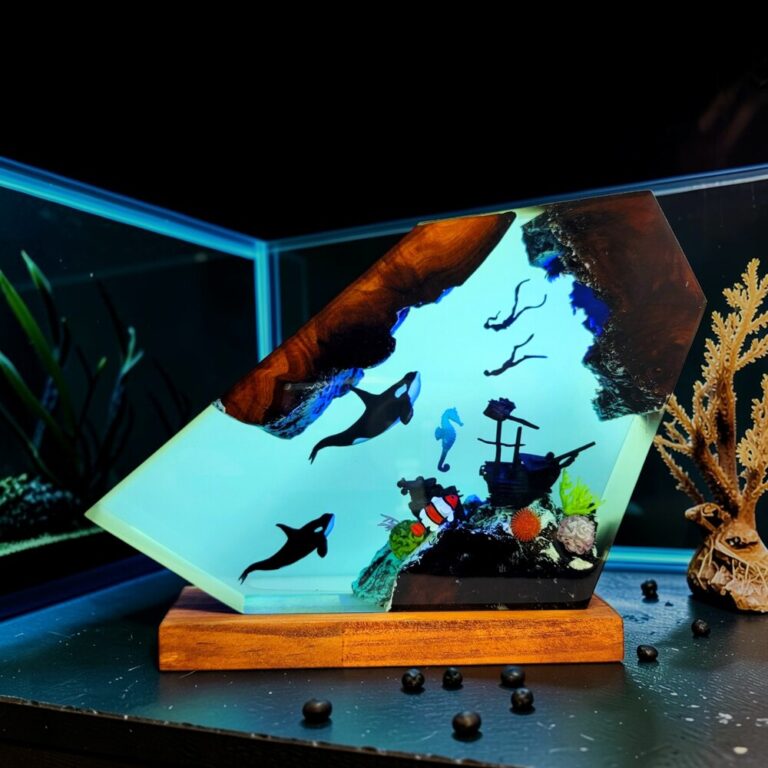
Yes. Once epoxy resin fully cures, it forms a hard, non-porous barrier that water cannot pass through. This is the main reason we use epoxy for coasters, serving trays, tabletops, and the lamp bases. A properly mixed and fully cured epoxy piece handles a damp cloth, a spilled drink, or a rinse under the tap without any issue, and we have kept test coasters submerged in a bowl of water for days at a time in the workshop without any softening or cloudiness showing up.
Where epoxy needs a little more care is in direct, prolonged outdoor sun. Standard epoxy is not naturally UV resistant, and over months of sun exposure it can start to yellow, even though the waterproofing itself is not affected. Formulas with UV stabilizers, or a protective topcoat added afterward, slow this down noticeably. That is why any epoxy piece meant to spend real time outdoors, like a garden lamp or an outdoor side table, is worth building with a UV-stable resin from the start rather than trying to fix yellowing later.
Selecting types of resin for crafts with built-in UV stabilizers or applying a protective clear coat will preserve optical clarity long-term.
Is UV Resin Waterproof?
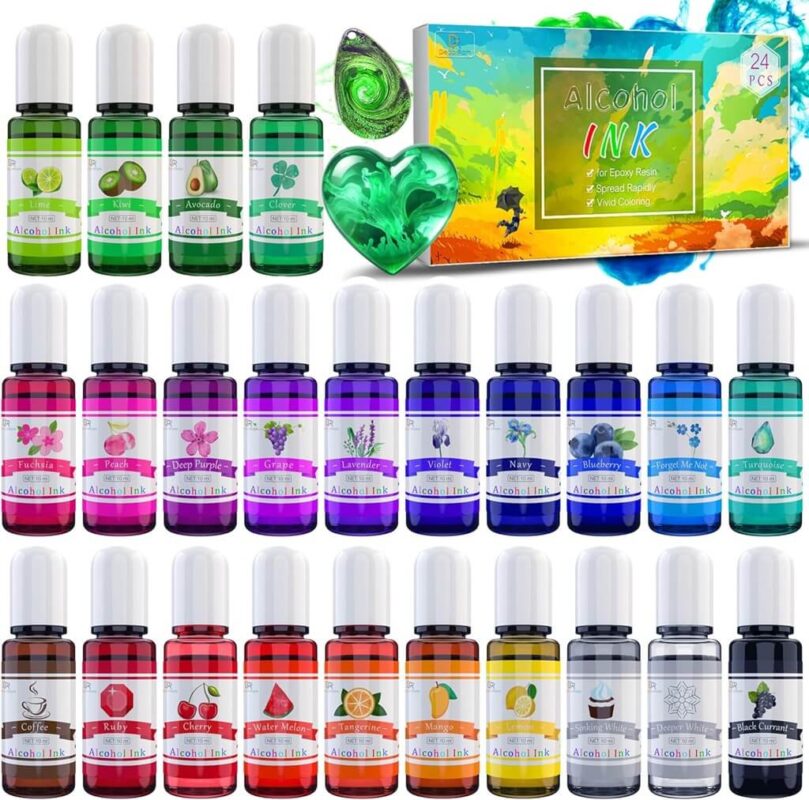
Mostly, but with real limits, which is why “is UV resin waterproof” deserves a more careful answer than a flat yes. Cured UV resin is water resistant to waterproof for small, thin projects like jewelry, bezel pours, or thin coatings over another material.
The catch is in how UV resin cures. UV light only penetrates a resin layer to a depth of a few millimeters, usually somewhere around 2 to 4mm, before it loses too much intensity to fully activate the resin underneath. That is why UV resin projects are built in thin layers, cured one at a time under a lamp, rather than poured all at once the way epoxy is.
To better understand these curing mechanics, explore our detailed breakdown on how long does it take for resin to harden across different light wavelengths.
We have seen this play out directly with pendant-sized UV resin pieces. A thin, evenly cured layer comes out hard and glassy within minutes and holds up fine against everyday moisture. Pour that same resin any thicker, and the surface can look fully cured while the layer underneath stays soft or tacky, and that uncured layer never becomes truly waterproof, no matter how long it sits under a lamp or in the sun. For small accents and jewelry, UV resin is a great match. For a full-size resin lamp shell or an outdoor sculpture, epoxy or polyester resin is the better choice.
Is Polyester Resin Waterproof?
Yes, and it has one of the longest track records of any resin type when it comes to water exposure. Cured polyester resin is used throughout the marine industry, from boat hulls to fiberglass repair kits, precisely because it holds up to sustained water contact. It also shows up regularly in automotive parts and general fiberglass work.
Outdoors, polyester resin performs differently than epoxy in a few ways. It tends to be more rigid and slightly more prone to shrinkage as it cures, and it can be more brittle under impact than epoxy once fully hardened. But for water resistance specifically, polyester has been proven in wet, high-stress environments like boat construction for decades, which makes “is polyester resin waterproof” one of the easier questions on this page to answer with confidence. It is a solid option for outdoor fixtures that need to handle constant moisture, provided the added brittleness is accounted for in the design.
Is Resin Weatherproof Enough for Outdoor Use?
Outdoor durability is about more than whether water can get through the resin. A resin piece left outside is dealing with several things at once:
- Rain
- UV exposure
- Humidity
- Heat
- Cold and freeze-thaw cycles
- Seasonal expansion and contraction of the base material, especially wood
Here is something that surprises a lot of people: rain is rarely the biggest threat to an outdoor resin piece. Sunlight is. Long-term UV exposure breaks down the polymer chains in resin over time, and the first signs are usually cosmetic, like yellowing, a chalky surface texture, or a duller finish. Left unaddressed, that same UV degradation can eventually make the resin more brittle and prone to cracking, but the water resistance itself is rarely the first thing to fail.
Temperature swings add a second layer of stress. If a resin piece has a wood base, like many of our lamps do, the wood expands and contracts with humidity and temperature far more than the resin does. We have seen that mismatch in movement show up as a hairline seam at the base of an outdoor lamp after a full winter, not as a crack through the resin itself. That gap, not the resin, is usually where moisture eventually gets in.
So when someone asks whether resin is weatherproof enough for a patio or garden piece, the honest answer is that the resin can handle it, but the whole assembly, including the base material and the seams, needs to be built with the same outdoor conditions in mind.
When Can Waterproof Resin Still Fail?
Even a resin that is technically waterproof can fail in practice, and almost every failure we have seen traces back to one of these causes:
- Incomplete curing, which leaves soft or tacky spots that never reach full hardness
- An incorrect resin-to-hardener ratio, which throws off the chemical reaction needed for a full cure
- Poor mixing, leaving uncured pockets even when the ratio was correct
- Surface cracks or chips that expose the material underneath
- UV degradation that builds up over months or years of sun exposure. (Learn how to spot aging chemistry in our guide: Does Resin Expire? Shelf Life, Signs & Storage Tips).
- Water finding its way in through seams, joints, or the base material itself, rather than soaking through the resin
That last point is worth repeating, because it is so often misunderstood. When a resin piece “lets water in,” the resin itself is usually not the failure point. Water tends to travel through a crack, a seam where two materials meet, or an untreated section of wood underneath the resin. Understanding this distinction is exactly why careful surface prep and full curing time matter just as much as choosing the right resin in the first place.
Where Can You Use Waterproof Resin?
The right resin choice depends heavily on where the piece will live and how much water exposure it will actually see.
Indoor projects, where moisture exposure is occasional, include coasters, serving trays, countertops, and bathroom décor. Epoxy handles all of these comfortably.
Outdoor projects, where the piece faces rain and sun but is not sitting in standing water, include garden ornaments, patio tables, resin lamps, and decorative signs. This is where UV-stabilized epoxy or polyester resin makes the most sense, along with some thought given to shade or partial cover if the piece will be in direct sun most of the day.
Constant water exposure is its own category, covering fountains, aquariums, and pond décor. These pieces call for resin specifically suited to prolonged submersion, along with careful attention to curing time and, for aquariums, product suitability for aquatic life.
How to Make Resin Projects Last Longer Around Water?
A few habits make a real difference in how long a resin piece holds up, no matter which resin you are working with. Here they are:
- Give the resin full curing time before it touches water, since surface-dry is not the same as fully cured, and rushing this step is one of the most common causes of early failure.
- Match the resin to the environment rather than defaulting to whatever is on hand, since epoxy, UV resin, and polyester resin each have a different sweet spot.
- Protect outdoor pieces from prolonged, direct UV exposure where possible, whether that means a UV-stabilized formula, a protective topcoat, or simply placing the piece somewhere it gets partial shade.
- Inspect pieces occasionally for chips or surface cracks and repair them promptly, since small damage is far easier to fix than water intrusion after the fact.
- Avoid letting water pool and sit on a resin surface for extended periods when it can be avoided.
- Always follow the manufacturer’s specific curing and mixing instructions, since ratios and cure times vary between brands and formulas.
How Do We Test Resin Around Water?
Most of what is in this guide comes from our own practice, not just product data sheets. Every lamp base we build goes through a basic water test before it is considered finished: a damp cloth wipe-down at minimum, and for pieces meant for outdoor or high-moisture settings, a longer soak or an overnight exposure test first.
We also keep a small shelf of past test pieces, some epoxy, some polyester, a few UV resin samples, sitting in a window that gets direct afternoon sun, so we can see yellowing and surface changes happen in real time rather than guessing at how a formula will hold up months down the line.
This hands-on habit is also why we lean on UV-stabilized epoxy for anything customer-facing that will live outdoors, rather than relying on a resin’s waterproof rating alone. Waterproofing is only half the story for an outdoor piece. The other half is how it looks and holds together after a season of real sun and weather, and that is something you only really learn by leaving pieces outside and checking back on them.
Is Resin Waterproof: FAQs
How long until the resin is waterproof?
Resin is not reliably waterproof until it reaches full cure, not just a surface-dry state. Full cure times vary by resin type and brand: epoxy is often touchable within a day or two but benefits from close to a week before heavy water exposure, UV resin cures within minutes per thin layer under a lamp, and polyester resin is typically workable within an hour and fully cured within a day. Checking the manufacturer’s guidance for your specific product is the most accurate way to know when a piece is ready for water.
Is resin water resistant?
Cured resin is more than water resistant. It is genuinely waterproof, forming a non-porous surface once fully cured. The degree of real-world resistance still varies by resin type, since epoxy and polyester generally handle sustained exposure better than UV resin does in thick applications, where curing depth becomes the limiting factor.
Can resin cure in the rain?
It depends on the resin and the stage of curing. Resin exposed to rain or high humidity before it has cured can end up with a cloudy or uneven surface, since moisture in the air can interfere with the curing reaction. Once fully cured, rain does not affect the resin the same way, which is part of why timing a pour around dry conditions matters more than protecting an already-cured piece.
What destroys epoxy resin?
The most common causes of epoxy damage are prolonged UV exposure, which leads to yellowing and eventual brittleness, incomplete curing from an incorrect mix ratio, physical impact that causes cracking or chipping, and water or moisture finding its way in through a crack or seam rather than through the resin itself.
