
If you have ever stood in a craft store aisle staring at three different bottles labeled “resin,” you already know the problem. Resin is not one material. It is a category, the same way “flour” covers everything from cake flour to bread flour, and mixing up the different types of resin can quietly ruin a project you have been planning for weeks.
We pour resin into lamps and workshop pieces often enough to have made most of the mistakes already. More than that, we have watched a beginner’s UV resin fog over in a mold that was too deep. This guide is built from that hands-on experience with the different types of resin for crafts, combined with the technical side of how each one cures and behaves, so you are not left guessing.
Before you dive deep into this article, here is a highlight recap for you:
- There are 6 different kinds of resin: Epoxy resin, UV resin, polyester resin, polyurethane resin, acrylic resin, and bio-based resin
- For DIY projects, consider using UV and epoxy resin. And your kind of project would be a huge part in choosing a bottle of resin to take home.
Now let’s get the ball rolling!
What Are the Different Types of Resin? (with Detailed Explanation)
Resin can be sorted by its source (natural versus synthetic), by its chemistry, or by its curing method. For most hobbyists, artists, and small workshop owners, the classification that actually matters day to day is the synthetic resin family, because that determines how the resin cures, how long you have to work with it, and what it can safely be used for.
Six types come up again and again in craft, woodworking, and DIY circles: epoxy resin, UV resin, polyester resin, polyurethane resin, acrylic resin, and bio-based resin. Each one was developed for a different job, and each one carries tradeoffs that only become obvious once you have used it. Epoxy tends to dominate the conversation because it is the most beginner-accessible of the group, but as you will see in the table below, it is far from the only option worth knowing.
| Resin Type | Best For | Cure Method | Cure Time | Durability | UV Resistance | Beginner Friendly |
| Epoxy resin | Resin art, tumblers, coasters, river tables, woodworking | Two-part chemical reaction (resin + hardener) | 24 to 72 hours to handle, up to a week for full cure | High | Moderate (can yellow without UV-stable formula) | Yes |
| UV resin | Jewelry, small castings, quick repairs | UV light exposure | Minutes to about 2 hours | Moderate | High in most formulas | Yes |
| Polyester resin | Fiberglass work, boat repair, mold making | Catalyst (MEKP) reaction | 15 to 40 minutes to gel, full cure within a day | Moderate to high, brittle without reinforcement | Low, yellows quickly | No |
| Polyurethane resin | Protective coatings, flooring, fast prototyping | Two-part reaction, moisture sensitive | 20 minutes to a few hours | High, flexible options available | Moderate to high depending on formula | No |
| Acrylic resin | Fine art casting, dental and automotive parts | Thermoplastic setting or catalyst-based | Varies by formula, often fast | Moderate | High, strong color stability | Somewhat |
| Bio-based resin | Eco-conscious craft and coating projects | Varies, often similar to epoxy | Similar to epoxy in most formulas | Comparable to conventional epoxy in many blends | Varies by formulation | Somewhat |
A quick note before we go deeper: cure times shift with room temperature, humidity, and how thick your pour is, so treat these numbers as a general range rather than a promise. Your product label always has the final say.
Epoxy Resin
Epoxy resin is a two-part system made of a resin and a hardener that goes through a chemical reaction once mixed. That reaction is what turns a liquid into a solid, clear surface, and it is also why epoxy has a working time you need to respect instead of rushing.
How it cures: Once you combine the resin and hardener in the correct ratio, a curing reaction begins that generates a small amount of heat. Thin layers typically become tack-free within 24 hours and reach full hardness within a few days, while thicker pours need longer and often require a deep-pour formula to avoid overheating and cracking.
Best uses: Epoxy is the workhorse of the resin world for a reason. It self-levels well, bonds strongly to wood and other porous materials, and cures to a glass-like clarity that most other resins struggle to match.
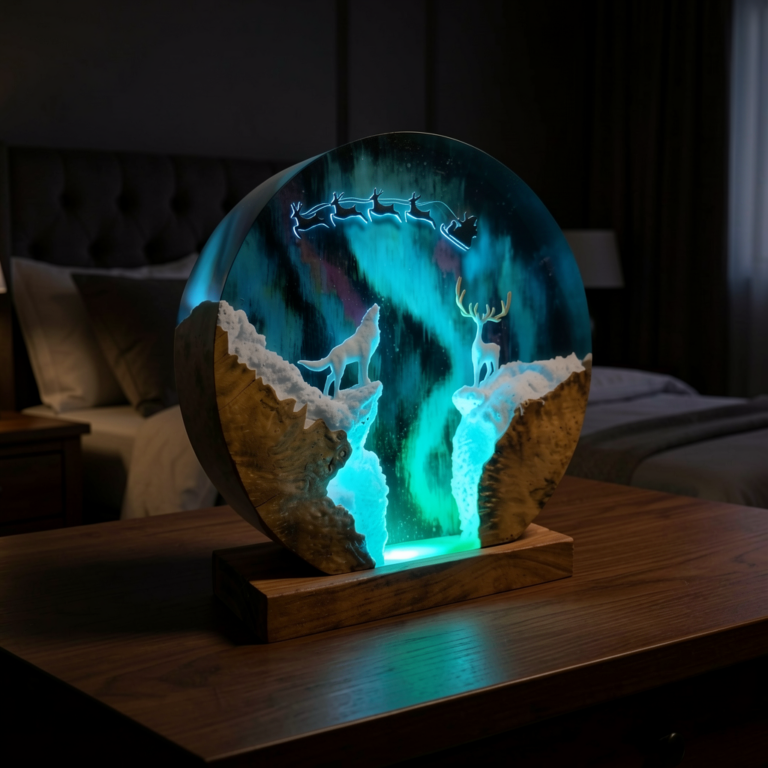
Advantages in craft and DIY projects: Long working time makes it forgiving for beginners. It bonds beautifully to natural wood, which is why we rely heavily on it when casting our premium handmade epoxy resin lamps.
Limitations in craft and DIY projects: Full cure takes patience, sometimes several days depending on the formula and pour thickness. Standard epoxy can yellow with prolonged UV exposure unless you choose a UV-stable version, and it is more sensitive to humidity during cure than people expect.
Best for:
- Resin art
- River tables
- Coasters
- Tumblers
- Woodworking
UV Resin
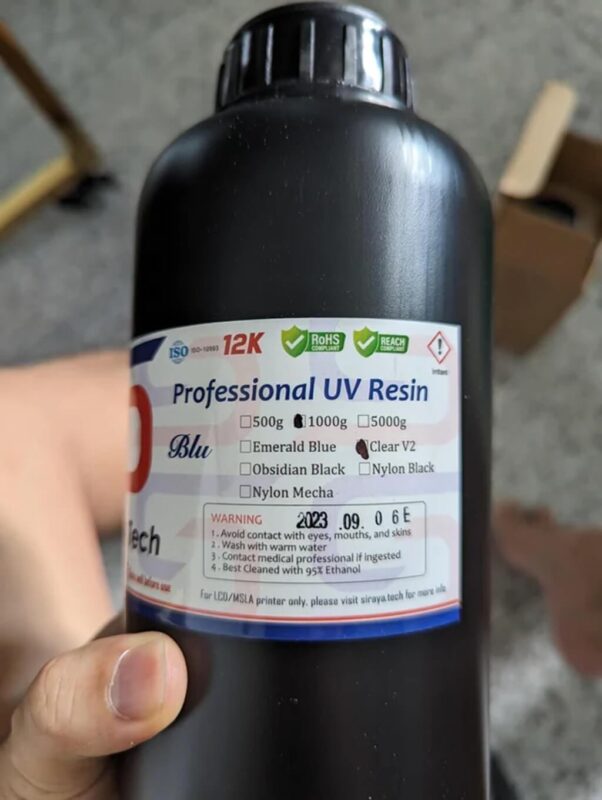
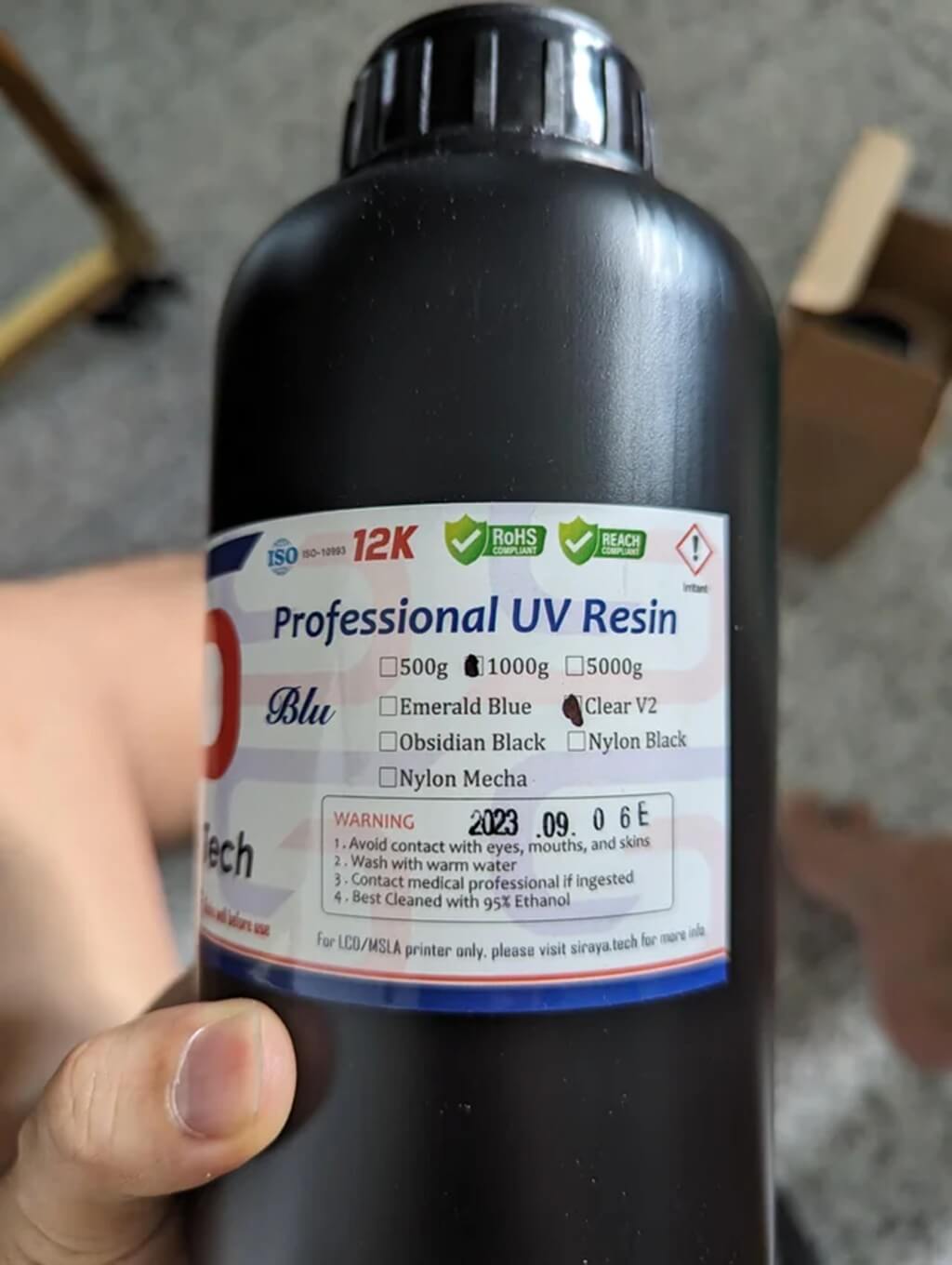
UV resin, like its name, cures through light exposure rather than a chemical reaction between two parts, which is what makes it feel almost instant compared to epoxy.
How it cures: A UV lamp or direct sunlight triggers the curing process, often hardening a thin layer in a matter of minutes. This is possible because UV resin is formulated as a single-part product with photoinitiators built in, so there is no measuring or mixing ratio to get wrong.
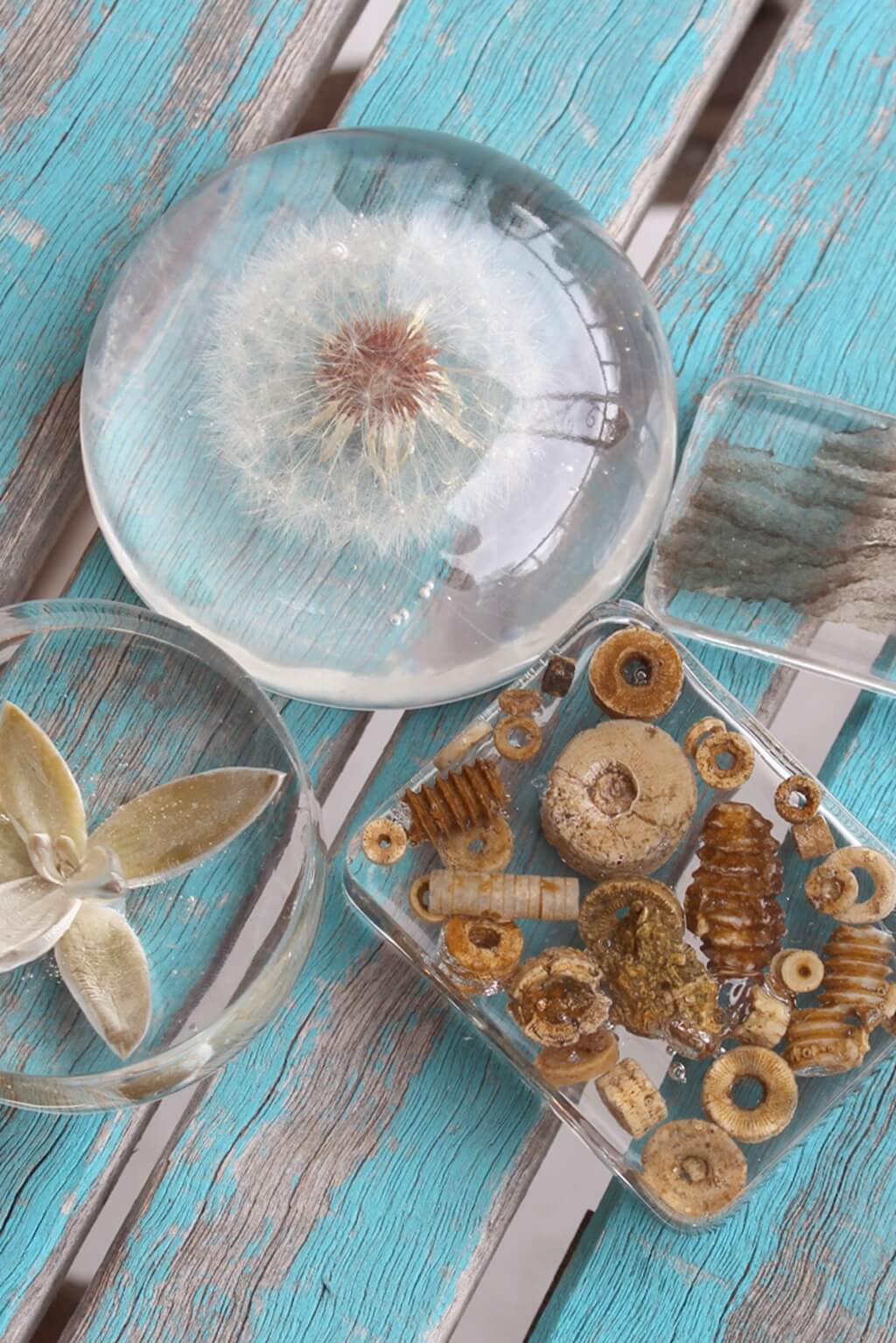
Best uses: Small, thin projects are where UV resin earns its reputation. Jewelry, bezel settings, and quick fixes benefit from the speed, since you can cure a layer and move on to the next one in the same sitting.
Advantages in craft and DIY projects: Speed is the obvious win, along with the fact that there is no mixing math to mess up. It is also easier to test small design tweaks quickly since you are not committing to a multi-day cure.
Limitations in craft and DIY projects: UV light only penetrates so far, which means thick pours cure unevenly or stay sticky in the center. It also tends to be pricier per ounce than epoxy, so it is not the most economical choice for larger pieces.
Best for:
- Jewelry
- Small pendants and charms
- Thin embellishments
- Quick fixes and repairs
- Miniature castings
Polyester Resin
Polyester resin has been a staple of the fiberglass and marine industries for decades, and it made its way into craft use mostly through mold making and repair work. This is definitely not as popular as epoxy or UV resin in home DIY projects. Also, its odor can be really strong.
How it cures: A catalyst, typically MEKP (methyl ethyl ketone peroxide), triggers a fast exothermic reaction. Gel time often lands in the 15 to 40 minute range, which is quick compared to epoxy, but it also means you have far less room to adjust once you start pouring.
Best uses: It shines in fiberglass lay-up, boat repair, and mold production, where speed and cost matter more than optical clarity.
Advantages in craft and DIY projects: It cures fast, costs less per batch than epoxy, and bonds exceptionally well with fiberglass cloth, which makes it the standard choice for that kind of repair work.
Limitations in craft and DIY projects: Emits strong, sharp fumes that require heavy ventilation. (If you are concerned about chemical fumes across different kinds of resin, read our guide on does epoxy resin smell for workspace safety tips.)
Best for:
- Fiberglass repair
- Mold making
- Boat and marine repairs
- Cost-driven production casting
Polyurethane Resin
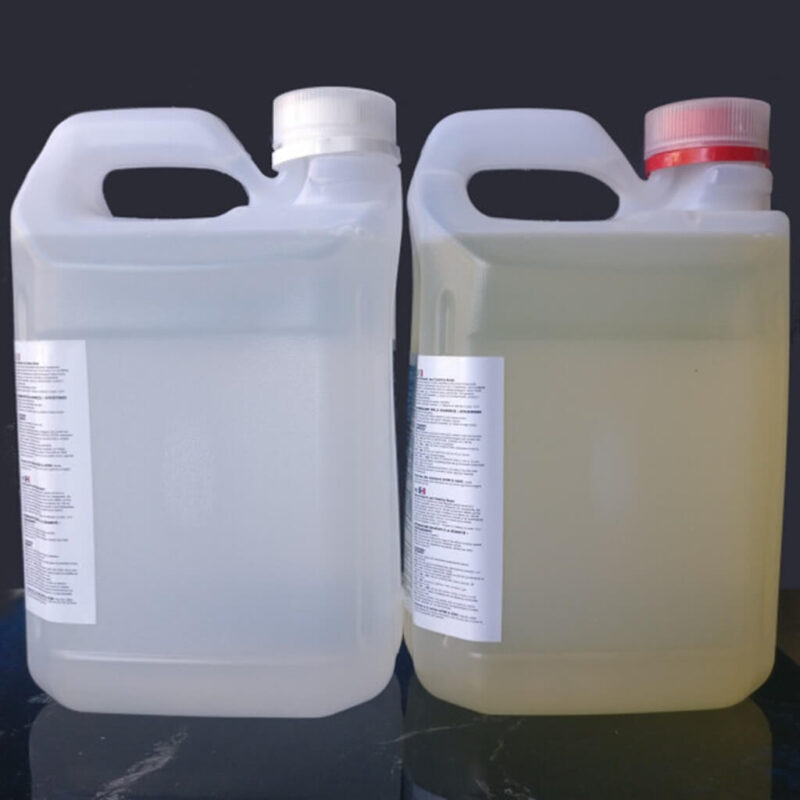
Polyurethane resin covers a wide range of formulas, from rigid coatings to flexible rubber-like casts, which makes it one of the more versatile families on this list.
How it cures: A two-part reaction similar to epoxy, but polyurethane is notably more sensitive to moisture during mixing and cure, and it often sets within 20 minutes to a few hours depending on the formula.
Best uses: Protective coatings, flooring, and fast-turnaround prototyping all lean on polyurethane because of its abrasion resistance and quick set time.
Advantages in craft and DIY projects: It captures fine detail well in molds, resists impact and abrasion better than most alternatives, and comes in both rigid and flexible options depending on what the project needs.
Limitations in craft and DIY projects: Short working time means less room for error once you start pouring. It is also more moisture-sensitive than epoxy, so humid workshops can cause bubbling or a cloudy finish if you are not careful.
Best for:
- Protective coatings
- Flooring applications
- Fast prototyping
- Detailed mold casting
Acrylic Resin
Acrylic resin is a bit of an outlier on this list because it is thermoplastic rather than thermosetting, meaning it can soften again with enough heat, unlike epoxy or polyester.
How it cures: Depending on the formula, acrylic resin sets through a catalyzed reaction or a thermoplastic process, and it is prized for color stability and clarity that holds up better over time than polyester.
Best uses: Fine art casting, sculptural work, and any application where color accuracy over the long term matters, since acrylic resists yellowing noticeably better than polyester.
Advantages in craft and DIY projects: Outstanding clarity and color stability, along with strong resistance to UV yellowing compared to polyester.
Limitations in craft and DIY projects: It tends to cost more than polyester, and the working properties vary quite a bit between brands and formulas, so there is a steeper learning curve than with epoxy.
Best for:
- Fine art casting
- Sculptural pieces
- Color-critical projects
- Display pieces exposed to light
Bio-Based Resin
Bio-based resin is the newest category on this list and the one most in flux, since it covers a range of formulas derived from plant oils, rosin, or lignin rather than petroleum. Surprisingly, you can try with this type of resin for your projects as a creative edge instead of epoxy or UV resin as usual.
How it cures: Most bio-based epoxy alternatives use a similar two-part curing process to conventional epoxy, though the exact chemistry depends on the plant-derived component, whether that is soybean oil, linseed oil, or another source.
Best uses: Eco-conscious craft projects and coatings where reducing petroleum content matters to the maker or the end customer, without giving up too much on mechanical performance.
Advantages in craft and DIY projects: Lower reliance on petroleum-based ingredients appeals to environmentally minded makers, and many formulas now perform close to conventional epoxy in strength and adhesion.
Limitations in craft and DIY projects: Formulas vary more from brand to brand than conventional epoxy, options are still more limited in craft stores, and pricing tends to run higher since the category is newer.
Best for:
- Eco-conscious resin art
- Sustainable packaging and coatings
- Brands prioritizing lower environmental impact
- Small-batch craft projects
How to Choose the Right Type of Resin for Your Project?
Once you know the six families, the next step is matching one to what you are actually building. This table is the shortcut version, and the explanation underneath fills in the reasoning.
| Project | Recommended Resin | Why |
| Jewelry | UV resin | Fast curing suits small, thin pieces |
| Resin art | Epoxy resin | Crystal clear and self-leveling |
| River tables | Deep-pour epoxy resin | Designed for thick pours without overheating |
| Coasters | Epoxy resin | Durable and glossy finish |
| Fiberglass repair | Polyester resin | Strong compatibility with fiberglass |
| Protective coatings | Polyurethane resin | Excellent abrasion resistance |
Why we state the suggestions as above:
- Jewelry benefits from UV resin mainly because of scale. A pendant or bezel is thin enough that UV light can cure it fully in one pass, so there is no reason to wait a full day when minutes will do.
- Resin art and coasters both lean on standard epoxy because of clarity and self-leveling. You want the surface to settle flat on its own and stay optically clear, and epoxy does both better than polyester or standard polyurethane.
- River tables are a special case within epoxy itself. A standard formula will overheat and crack in a pour that thick, which is why deep-pour epoxy exists as its own product line, formulated to cure slowly and release heat gradually.
- Fiberglass repair almost always calls for polyester resin, not because it is the best-performing option overall, but because it bonds to fiberglass cloth in a way epoxy does not replicate as reliably, and it costs less for larger repair jobs.
- Protective coatings, especially on floors or high-traffic surfaces, tend to favor polyurethane because of its abrasion resistance. It holds up to foot traffic and impact in a way that a clear casting epoxy was never designed to handle.
What are the Factors to Consider Before Choosing a Resin?
Project type
Start with what you are actually making. A thin jewelry piece, a thick river table, and a fiberglass repair each point toward a different resin family before you even think about brand or price.
Cure time
If you need same-day results, UV resin or polyester cure faster than epoxy. However, understanding how long does it take for resin to harden across all materials is essential for planning your workflow.
Durability and strength
Think about how the finished piece will actually be used. A coaster gets set down, picked up, and occasionally bumped, so epoxy’s scratch resistance matters. A decorative piece under glass has more room for a softer resin.
UV exposure and yellowing resistance
If the piece will sit near a window or outdoors, yellowing resistance moves up the priority list fast. Polyester yellows the quickest of the group, standard epoxy needs a UV-stable formula to hold its clarity long term, and acrylic tends to perform the best here.
Indoor vs. outdoor use
Outdoor pieces face temperature swings, moisture, and sun exposure that indoor pieces never see. Polyurethane’s weather resistance and UV-stable epoxy formulas both hold up better outdoors than standard clear casting resin.
Budget
Polyester is generally the most affordable per batch, epoxy sits in the middle, and specialty formulas like deep-pour epoxy, acrylic, and bio-based resin tend to cost more. Weigh that against how the resin will actually be used rather than choosing on price alone.
Safety and ventilation requirements
This is not a place to cut corners. Polyester and polyurethane both call for strong ventilation due to fumes, while epoxy is comparatively gentler but still requires gloves and eye protection during mixing and pouring. Always check the safety data sheet for your specific product before starting.
What Common Mistakes Do You Make When Choosing a Resin?
Even people who have poured resin before fall into these traps, usually because two resins look similar on the shelf but behave very differently once mixed.
- Assuming all clear resins are interchangeable. Epoxy, polyester, and acrylic can all look glass-clear in the bottle, but they cure differently, bond differently, and age differently once exposed to light.
- Choosing UV resin for thick molds. UV light cannot fully penetrate a deep pour, so the center stays soft or tacky no matter how long you leave it under the lamp.
- Using polyester resin indoors without proper ventilation. The fumes are strong enough to cause headaches and irritation quickly in a closed room, so this one is a safety issue as much as a craft one.
- Selecting coating epoxy for deep pours. Standard coating epoxy is formulated to cure fast in thin layers. Poured thick, it can overheat, crack, or cloud instead of curing clear.
- Ignoring working time and pot life. Every resin gives you a window before it starts to thicken and become unworkable. Mixing a large batch and stepping away to answer a phone call is one of the most common ways a project gets ruined.
Different Types of Resin: Frequently Asked Questions
What are the different types of resin?
The six types most craft and DIY makers encounter are epoxy resin, UV resin, polyester resin, polyurethane resin, acrylic resin, and bio-based resin. Each cures differently and suits a different range of projects, from jewelry to river tables to protective coatings.
Which type of resin is best for beginners?
Epoxy resin is generally the most forgiving starting point because it has a longer working time, self-levels well, and does not require special equipment like a UV lamp. UV resin is also approachable for small projects since there is no mixing ratio to calculate.
Is epoxy resin stronger than polyester resin?
Epoxy typically offers better impact resistance and adhesion, especially to wood, while polyester tends to be more brittle unless it is reinforced with fiberglass. In fiberglass applications specifically, polyester’s bond with the cloth can outperform epoxy in that narrow use case.
What’s the difference between epoxy resin and UV resin?
Here is a simple explanation:
- Epoxy cures through a chemical reaction between two mixed parts and takes anywhere from a day to about a week to fully harden.
- UV resin cures through light exposure in minutes, but only in thin layers, since UV light cannot penetrate deep pours the way epoxy’s chemical reaction can.
Which resin is best for outdoor projects?
Polyurethane resin generally handles outdoor conditions well due to its weather resistance, and UV-stable epoxy formulas are also a solid choice for outdoor art or furniture. Standard epoxy and polyester without UV protection will yellow faster when left in direct sunlight.
Can different types of resin be used together?
Some combinations work, such as epoxy bonding well over cured polyester in certain applications, but the reverse is not always true, and mixing resin types within the same pour is generally not recommended. When in doubt, test a small sample first or stick to one resin family for the full project.
