
Does epoxy resin smell? What does resin smell like?
Yes, does epoxy resin smell is one of the first questions beginners ask, and while it usually has a noticeable scent, it is much milder than most people expect. What does resin smell like exactly? The odor changes depending on the resin formula , the hardener used, and how far along the curing process is.
Also, not all resins smell the same either. Polyester resin, for example, tends to have a much stronger and sharper odor than standard epoxy. If you have ever opened a bottle of resin and wondered whether that faint chemical scent is normal, or if you are trying to figure out how to keep your workspace smelling fresh while a project cures, this guide walks through everything you need to know.
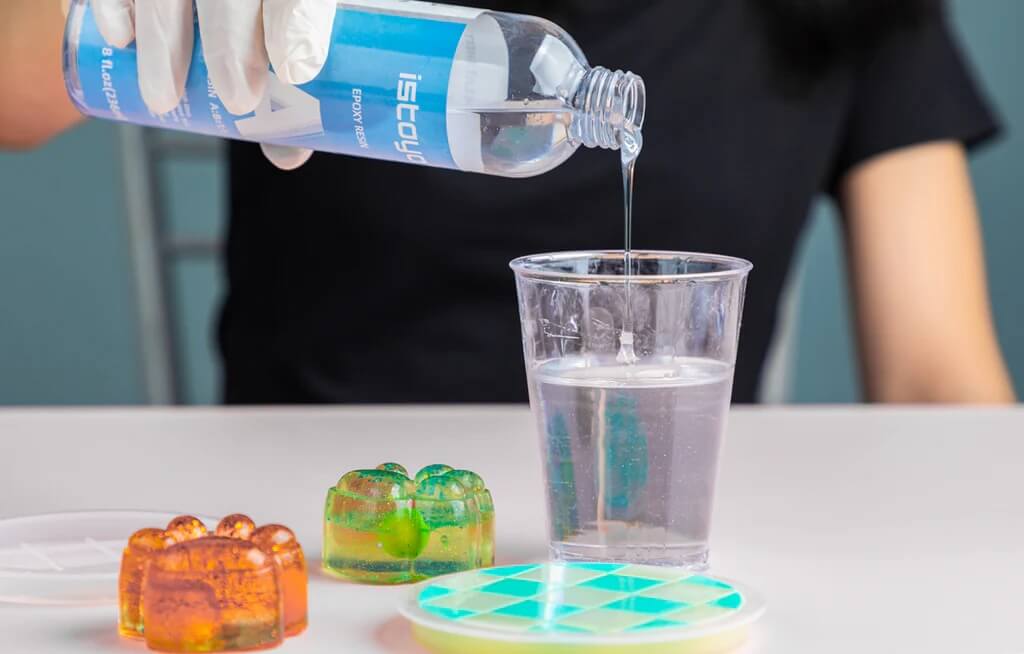
Does Epoxy Resin Smell? Understanding the Chemical Odor
Yes, it does. Most epoxy resins have a noticeable but generally mild chemical odor. It is often described as similar to a new plastic toy, a whiteboard marker, or a faint ammonia note. This smell is strongest right after mixing and during the first few hours of curing, then it fades significantly once the resin sets.
Some brands smell stronger than others because manufacturers use different base ingredients, solvents, and additives in their formulas. Two epoxy resins that look identical on the label can smell quite different once you crack the bottle open, simply because the chemistry underneath is not the same.
It is also worth knowing that “low odor” does not always mean completely odorless. Many crafters on resin forums report that even resins marketed as low odor still give off a faint scent during mixing, especially in a small or poorly ventilated room. Low odor generally means the smell is less sharp and dissipates faster, not that there is zero scent at all.
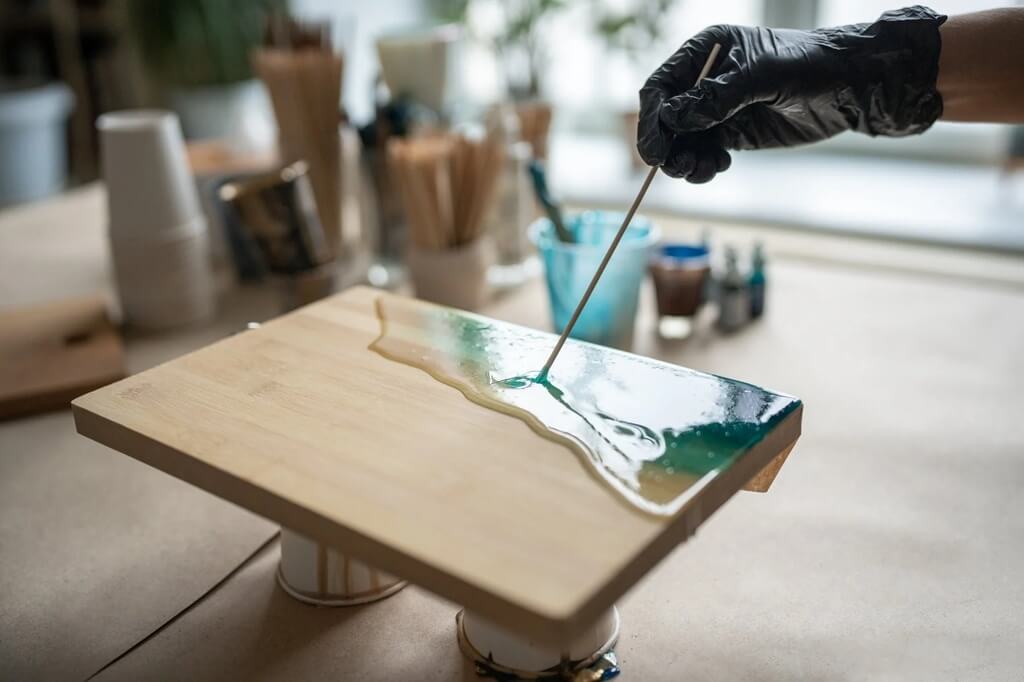
A few factors influence how noticeable the smell will be in your workspace:
- The size of the batch you are mixing
- Room temperature (warmer rooms tend to amplify odor)
- How much airflow the space gets
- The specific resin and hardener combination
- How fresh the resin is
What Does Resin Smell Like According to Their Types?
This is the question most beginners ask before they even open their first kit. The honest answer is that it depends heavily on which type of resin you are using.
Epoxy Resin
As mentioned above, epoxy resin typically has a mild chemical smell. Many people compare it to a slight ammonia or plastic-like scent, somewhat like the smell of a new shower curtain or a freshly opened bottle of super glue, only fainter. This smell is usually strongest while mixing and during the early hours of curing, then it fades noticeably once the resin firms up. By the time the piece is fully cured, most epoxy resins have little to no detectable smell left.
UV Resin
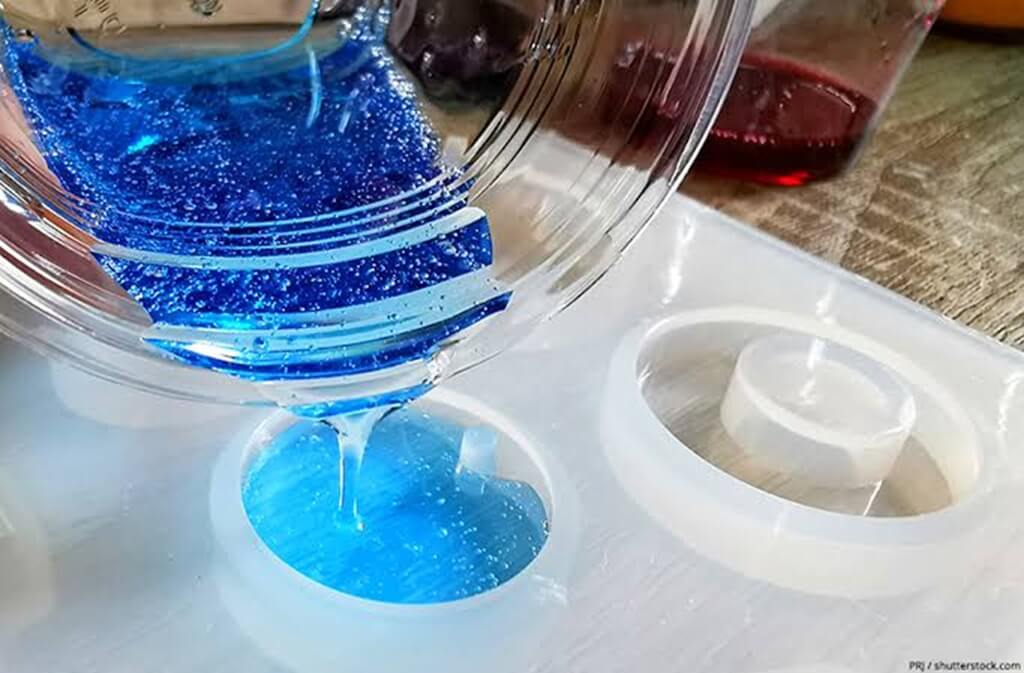
UV resin tends to have a slight acrylic or plastic odor. Since UV resin cures almost instantly under a UV lamp rather than over many hours, the smell window is much shorter. Crafters generally only notice the scent while the resin is still liquid and during the brief curing process itself.
Polyester Resin
Polyester resin is in a different league entirely. It has a strong, sharp styrene smell that most people find far more unpleasant than epoxy. This is because polyester resin relies on styrene as part of its chemical makeup, and styrene has a distinctly pungent, almost sweet solvent-like odor. Anyone who has worked with fiberglass boat repairs or automotive body filler will likely recognize this smell immediately. It lingers longer and travels further through a space compared to epoxy.
Here is a quick side by side comparison:
| Type of Resin | Typical Smell | Odor Strength |
| Epoxy resin | Mild chemical, slightly plastic or ammonia-like | Low to moderate |
| UV resin | Slight acrylic or plastic scent | Low, and short lived |
| Polyester resin | Strong, sharp styrene odor | High |
If you are working on lamp making or jewelry projects indoors, this is one of the main reasons most hobbyists lean toward epoxy or UV resin rather than polyester. The smell alone can make a small workspace uncomfortable within minutes.
Why Does Epoxy Resin Smell (or What Actually Causes Its Odor)
There is no single reason epoxy resin has an odor. A handful of factors work together, and understanding them can help you predict how strong the smell will be before you even open the bottle.
The Resin Formulation
Every manufacturer uses a slightly different recipe of base resin, additives, and modifiers. Some formulas lean on ingredients that naturally carry more scent, while others are engineered specifically to minimize it. This is why two bottles labeled simply “epoxy resin” can smell noticeably different from each other.
The Hardener
The hardener is often the bigger contributor to smell, not the resin itself. Certain hardeners release a stronger odor during the mixing and early curing stage because of the chemical reaction taking place as the two parts combine. This reaction is exothermic, meaning it produces heat, and that heat can push more scent into the air.
VOC Content
VOC stands for volatile organic compounds, which are chemicals that evaporate easily at room temperature. Resins with lower VOC content generally produce a less noticeable smell, though lower VOC does not automatically mean zero odor. It simply means fewer of these compounds are escaping into the air as the resin cures.
Temperature and Ventilation
Warm rooms speed up the curing reaction, which in turn can release more scent into the air over a shorter period. Poor airflow makes it worse because the odor has nowhere to go, so it just builds up in the room. Larger batches naturally produce more smell simply because there is more material reacting at once.
The Curing Stage
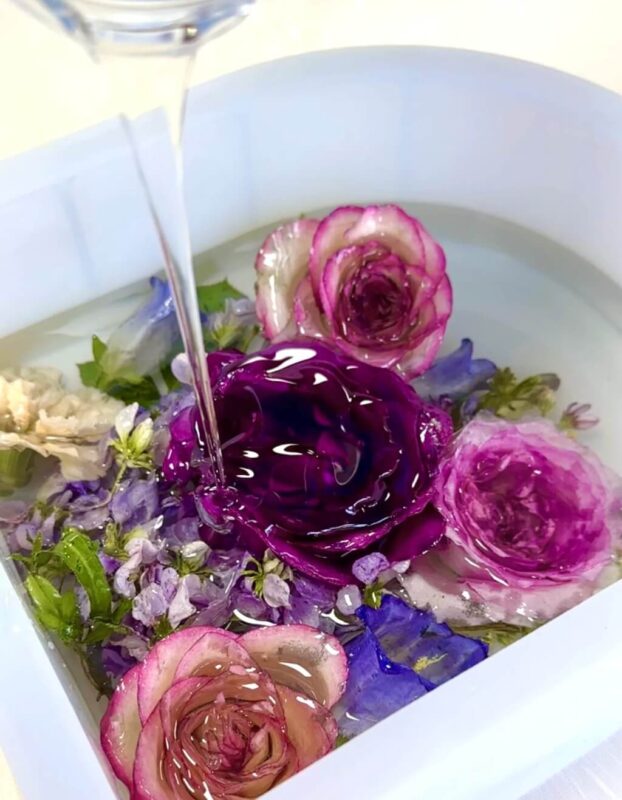
Smell is almost always strongest during mixing and in the first few hours of curing, when the chemical reaction between resin and hardener is most active. As the resin firms up and the reaction slows down, the odor fades along with it. By the time a piece is fully cured, which can take anywhere from a day to a week depending on the product, the smell should be barely noticeable, if present at all.
Is Epoxy Resin Smell Harmful?
Smelling resin does not automatically mean something dangerous is happening. Many mild epoxy odors are simply a normal part of the curing chemistry and are not a sign of a hazard. At the same time, having little or no smell does not guarantee a product is completely risk free either. Some low odor formulas can still contain solvents or additives that warrant caution even if you cannot smell much.
The safest approach is to follow the manufacturer’s safety data sheet and instructions rather than judging risk by scent alone. This chemical safety is also why buying professionally crafted pieces like handmade resin lamps is preferred by collectors, as they arrive fully cured, stabilized, and completely odorless. Good habits to build into every project include:
- Wearing nitrile gloves to avoid skin contact with uncured resin
- Working in a ventilated space, even if the smell seems mild
- Avoiding prolonged, repeated exposure without breaks
- Keeping resin and hardener away from open flames or heat sources
If you notice symptoms like headaches, throat irritation, or dizziness while working, that is a signal to improve ventilation immediately, regardless of how strong or faint the smell seems.
How to Get Rid of Epoxy Resin Smell? Before Mixing, During Curing, and After Curing
Before Mixing
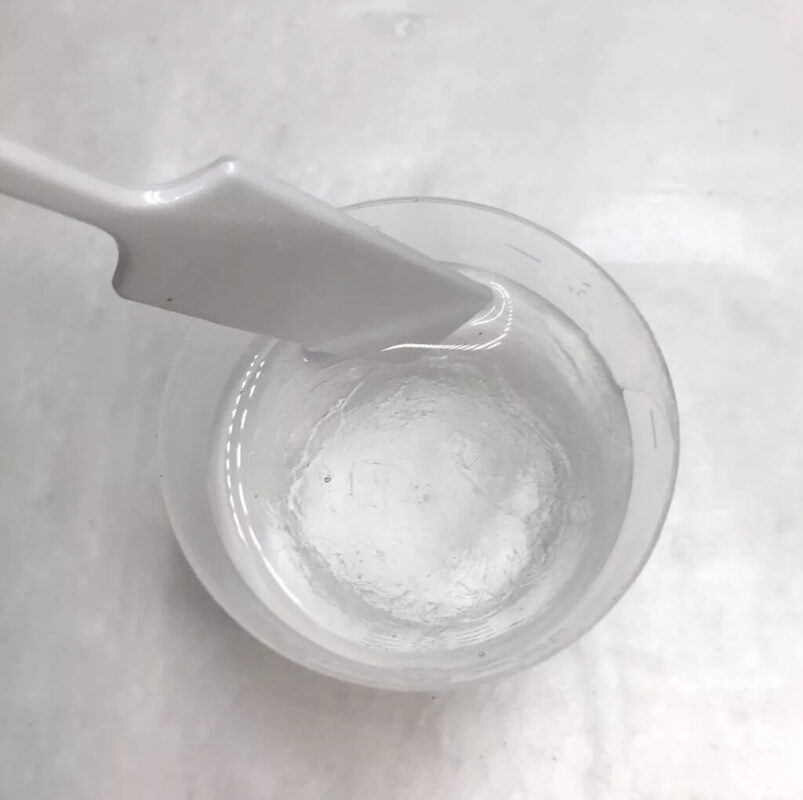
A little preparation goes a long way toward keeping odor under control from the start.
- Choose a low odor epoxy formula if you are sensitive to chemical smells or working in a small space
- Set up ventilation before you begin, such as opening a window or turning on a fan, rather than reacting once the smell shows up
- Avoid mixing larger batches than the project actually needs, since bigger batches mean more odor
During Curing
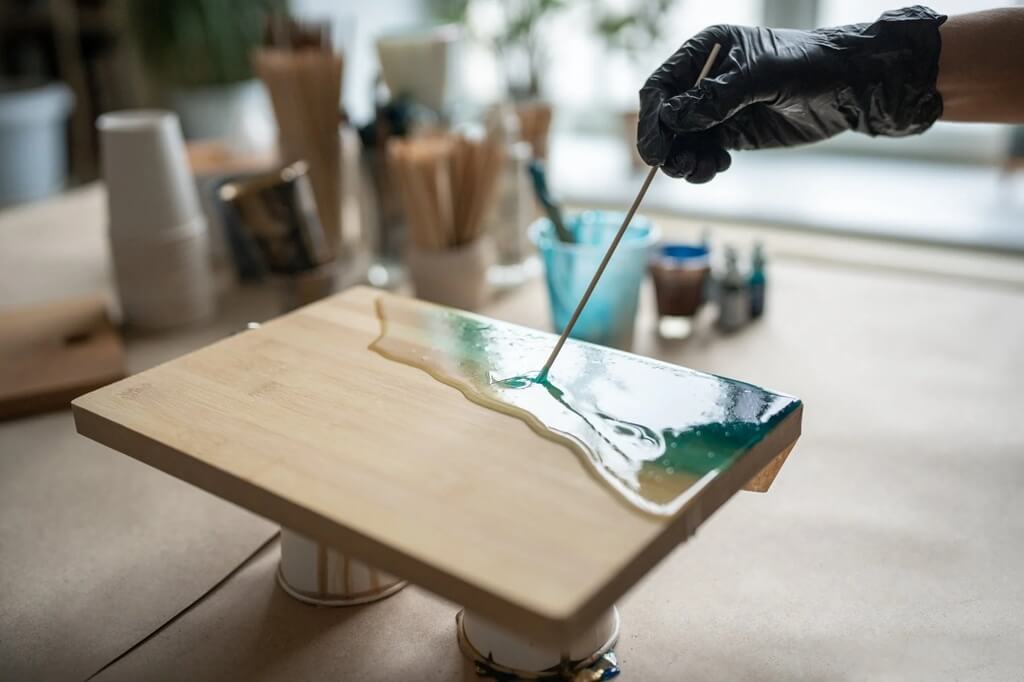
- Improve cross ventilation by opening windows or doors on opposite sides of the room so air can actually move through
- Use an exhaust fan pointed toward an open window if one is available
- Keep resin and hardener containers closed when they are not actively being used
- Dispose of mixing cups, gloves, and resin waste promptly instead of letting them sit in the room
After Curing
- Allow extra curing time beyond the minimum listed on the label if your project involves a thick pour or a cooler room
- Move finished pieces to a ventilated area, like a garage or covered porch, until any lingering smell fades completely
- Clean tools and mixing containers right away rather than letting resin residue sit and continue off gassing
One practical tip worth taking: Masking resin odor with candles or air fresheners is far less effective than actually improving airflow. Covering a smell does not remove the chemicals causing it, it just adds another scent on top. Real ventilation is what actually clears the air.
If you are searching for how to get rid of epoxy resin smell in a room after a project is already finished, a portable air purifier with an activated carbon filter can help pull residual odor out of the air faster than natural airflow alone, especially in a bedroom or shared living space where you cannot leave a window open all day.
Why Does My Resin Still Smell After It Cures?
If your project still smells strongly days after you expected it to be fully cured, something in the process likely went wrong. A few common causes worth checking:
- Incomplete curing. The resin may still be reacting even though it looks solid on the surface. If it feels tacky or soft in spots, it has not finished curing yet.
- Incorrect resin to hardener ratio. Even a small measuring mistake can throw off the chemical reaction, leaving the resin partially uncured and smelly.
- Poor mixing. If the resin and hardener were not stirred thoroughly and scraped from the sides and bottom of the cup, unmixed pockets can remain soft and odorous.
- Thick pours. Deep pours take significantly longer to cure all the way through compared to thin coats, and the smell can linger until the center fully sets.
- Low curing temperature. Resin cures more slowly in cold rooms, which extends the window during which it releases odor.
- Low quality or expired resin. Resin that has passed its shelf life may not cure correctly at all. If you suspect your chemical components are too old, read our guide on does resin expire to identify the warning signs.
If a piece still smells strongly and feels tacky well past the recommended cure time, it is best to treat it as uncured rather than finished, and avoid handling it without gloves until you have identified the cause.
A useful check is to press a gloved finger into a hidden spot, such as the base of a lamp or the underside of a coaster. If it leaves an indent or feels sticky rather than firm, the piece needs more time, better ventilation, or in some cases a full redo with a corrected ratio.
How to Minimize Resin Odor Before You Start a Project
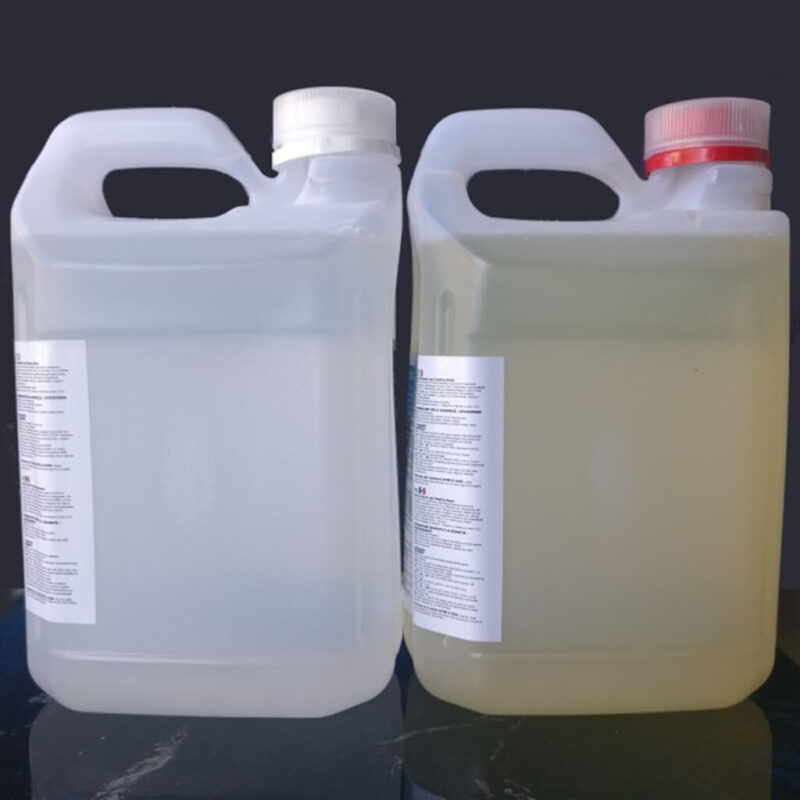
A bit of planning before you even buy your resin can save you a lot of discomfort later.
- Choose a low VOC, craft grade epoxy designed for indoor hobby use rather than an industrial formula
- Read the product specifications and safety data sheet before buying, not just the marketing copy on the front label
- Plan projects in a space with good natural airflow, such as a room with windows on more than one wall
- Work with smaller batches when possible, especially for test pours or smaller pieces
- Store resin in a cool, dark place with the lid tightly sealed, since heat and air exposure can affect both performance and smell over time
What Does Resin Smell Like – FAQs
Does epoxy resin smell while curing?
Yes. The smell is usually strongest during mixing and the first few hours of curing, then it fades as the chemical reaction slows down.
How long does epoxy resin smell last?
This varies by product, but most epoxy resins lose the majority of their smell within the first day or two, with any trace amounts disappearing by the time curing is complete.
Does UV resin smell?
Yes, though usually less than standard epoxy. UV resin has a slight acrylic or plastic odor, and since it cures within minutes under a UV lamp, the smell window is much shorter.
Why does polyester resin smell stronger than epoxy resin?
Polyester resin contains styrene, which has a sharp, sweet, solvent-like odor that is much more noticeable and lingers longer than the mild chemical scent typical of epoxy.
Can I use epoxy resin indoors?
Generally yes, especially low VOC formulas, as long as the space has decent ventilation. Opening a window or using a fan makes a noticeable difference even for mild odor resins.
Should fully cured epoxy resin still smell?
No, or at most very faintly. If a piece still has a strong smell well after the recommended cure time, it is likely still curing or was mixed incorrectly.
Does expired epoxy resin smell different?
It can. Resin that has passed its shelf life or absorbed moisture may cure improperly, and this often comes with an unusual or stronger smell compared to fresh resin.
